Sound check.

Victor Rivera
“It takes a long time to sound like yourself.” —Miles Davis
A stove repair, a writing coach, and the long road home to my voice.
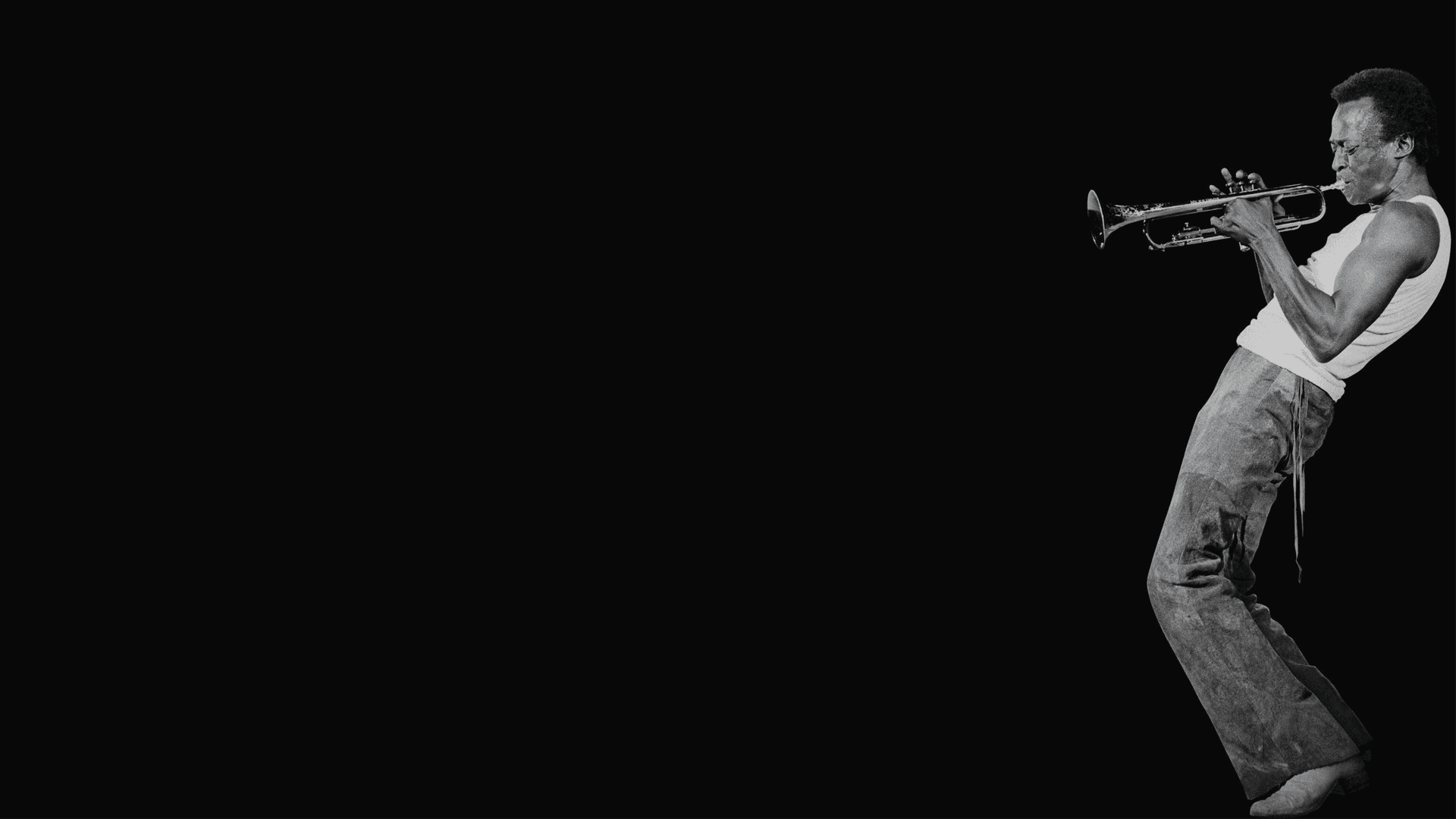
Miles Davis didn’t come out of the gate with his sound fully formed. He played with giants—Charlie Parker, Dizzy Gillespie—absorbing, experimenting, and stretching the limits of what jazz could be.
From the sharp edges of bebop to the smooth cool of Kind of Blue, to the weirdly wonderful, genre-bending fusion of the late ’80s, Miles never stood still.
He changed his sound the way some people change their minds, but it always came from a place that was earned and genuine.
I can’t bebop like Miles, but I’ve taken a long road too—to find the sound of my voice.
Ever since I can remember, I wanted to be a writer. Not an author, just a writer. Not for fame or fortune—but as a mirror. To say out loud what my mind already saw.
I had never taken a writing class, not even in college. So, early in the pandemic, I hired my first writing coach.
Much of the work was foundational: syntax, rhythm, grammar, tone, and space. The use of commas, periods, m-dashes, and my nemesis: the passive voice.
Each week, I practiced what I’d learned.
One day, I brought in an email I’d written to a vendor who wanted to charge me $1,200 to fix a $20 part on my cooking stove.
In my head, the note was a firm takedown. But when my coach read it aloud, I heard someone else entirely. Instead of a fight, it sounded like a conversation.
I wrote about the challenges of running a small business—the overhead, the pressure to stay afloat, the cost of keeping staff, trucks, insurance, and everything else in motion. I ended with something like: I understand. I do. But I can’t afford you. The vendor wrote back and did the job for $200.
After reading it, my teacher looked up and said, “Warm and vulnerable. That. That’s your voice.”
I remember freezing. Warmth? Vulnerability?
Those words had never been part of my job description. I was supposed to sound intelligent, strategic, tough, prepared. Clear-headed, not open-hearted, and certainly not vulnerable.
I didn’t know what to do with that kind of feedback.
So, I kept going.
Later, during my coaching training, I understood the power of the stories we tell ourselves. If I wanted to hold up a mirror for others, I first had to face my own.
And with that, I dug into my past, my memories, the moments I almost forgot. I didn’t write fiction, I just remembered. In remembering, I discovered something imperfect—something honest, lived-in, earned. I saw the mirror. I heard that sound—mine.
And so, this Sunday morning, I want to share this with you: Remembrance isn’t just based on facts, but on what lingers. You’ll know that sound is yours when someone else hears it too.
And that feeling? —That’s your voice speaking. And that’s a sound you don’t forget.
When did you stop editing the parts that feel most like you?